Building a stronger goat operation, one step at a time at Lucky Dairy
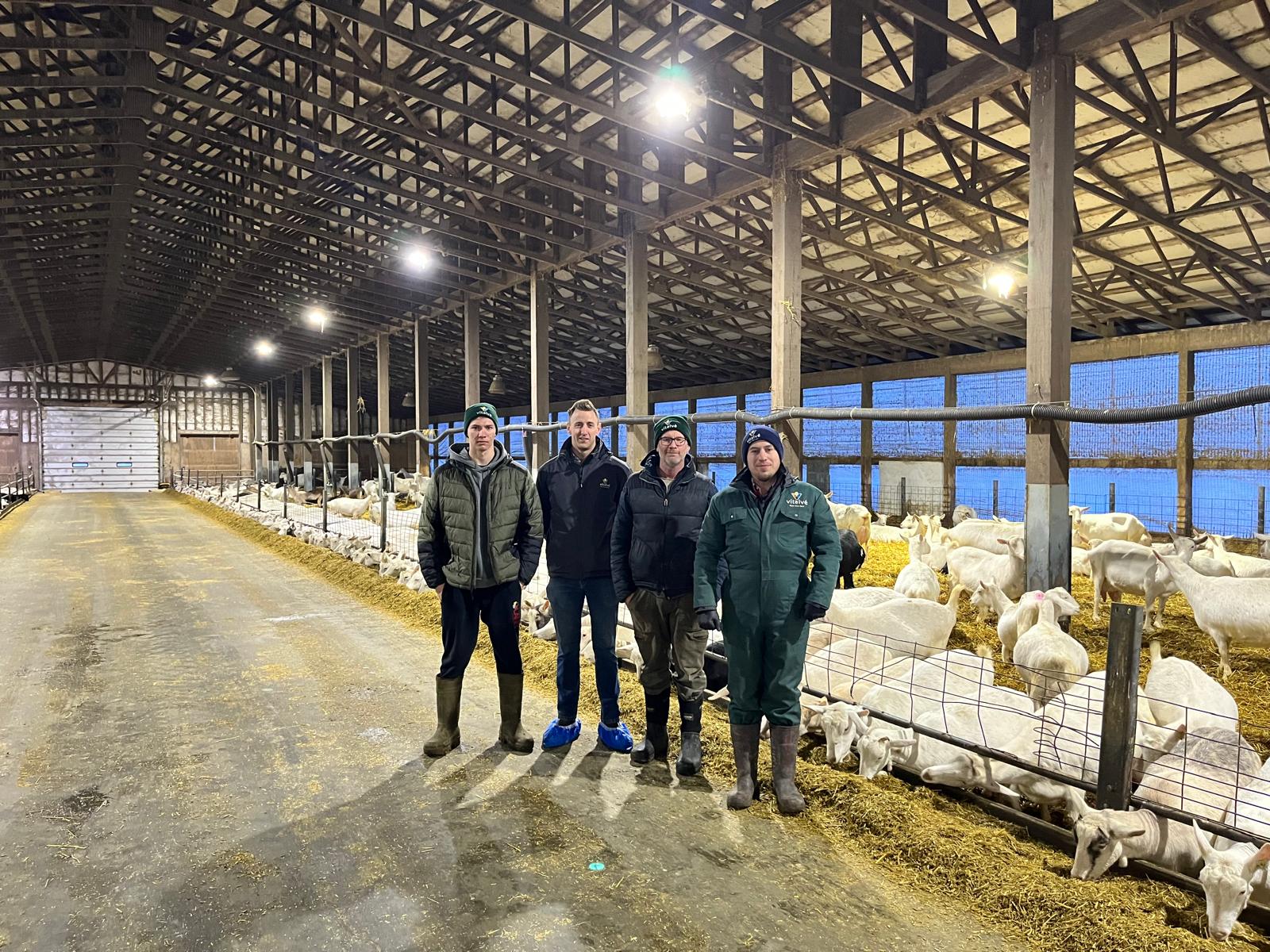
Just outside Williamstown near Cornwall, Ontario, you’ll find Lucky Dairy. The farm is run by David Grant, together with a dedicated team that keeps the dairy goat operation running smoothly every day.
Lucky Dairy started as a dairy cow farm, but David saw an opportunity when he had an empty barn and wanted to build something new. Knowing a few people in the goat industry, David decided to take the step. In 2017 the goat journey began, and by 2018 it became a full-time focus. At the end of 2019, the dairy cows were sold and the farm fully transitioned into dairy goats. Today, Lucky Dairy milks around 1,000 to 1,200 goats and continues to grow step by step.
One year with Vitalvé
David started working with Vitalvé about a year ago. What stood out immediately was the clear structure Jelle and Maksym bring to herd management. Each visit is used to review what’s happening on the farm and to set priorities for the weeks ahead—whether it’s kidding season, breeding decisions, or herd management. “They were willing to come once a month and be very hands-on with teaching us,” David says. In between visits, communication stays easy and direct. “I can text Jelle anytime, and he answers when I need him,” he adds.
Plant the seed, then do the work
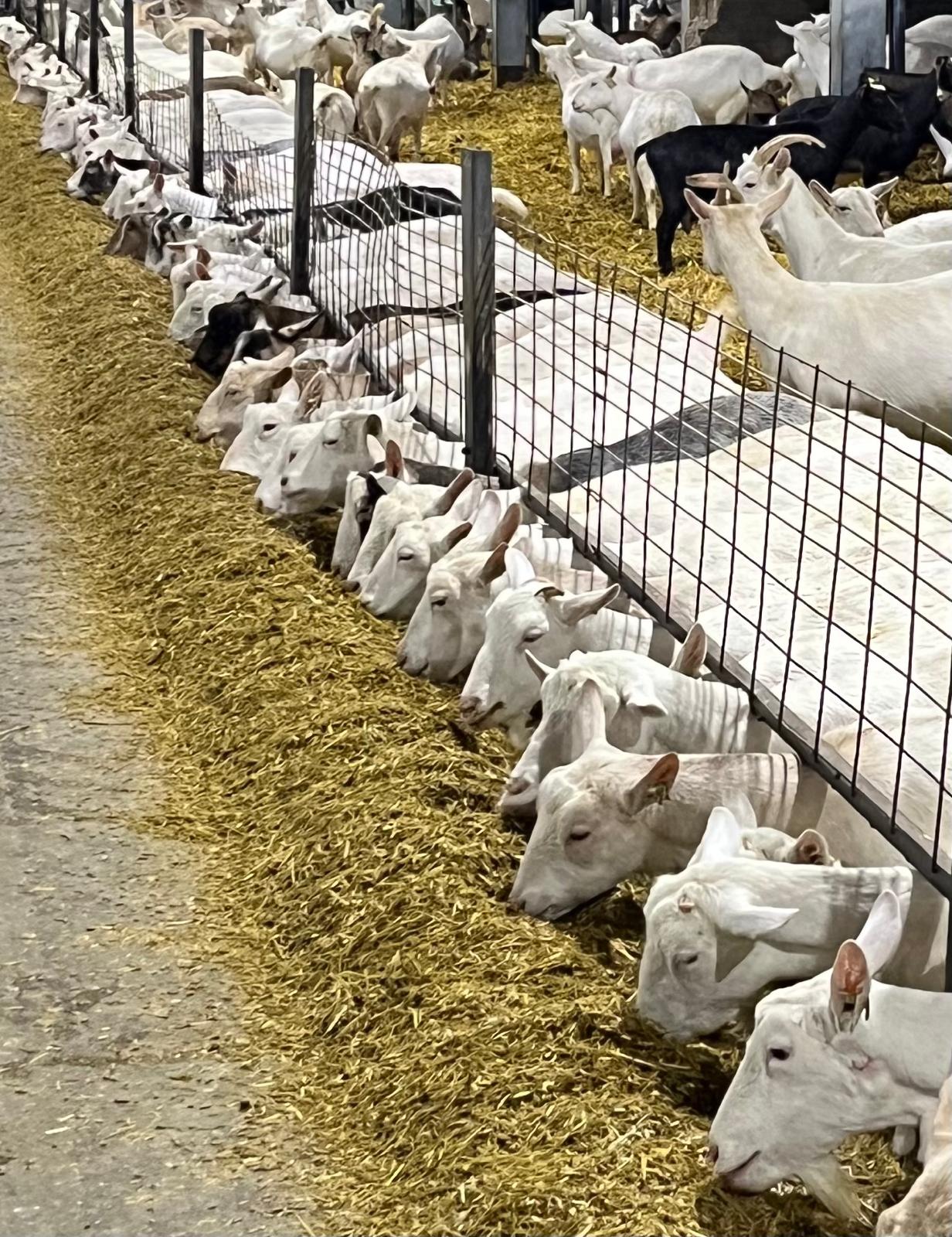
Lucky Dairy is focused on building a stable, efficient goat operation with a clear long-term plan: fill the barn and improve performance without rushing. The farm combines goats with a strong cropping enterprise, growing soybeans, corn and wheat. A key advantage is their double-cropping system with triticale, which allows them to harvest in spring and plant soybeans right after. David also values the practical side of goat farming compared to cows: manure is more manageable and daily work is easier to organize. The barn is divided into five groups, creating more control for future fine-tuning. With room for even more goats in the barn, the next goal is clear: keep building towards full capacity. Current focus points are improving kidding results, closing breeding gaps, and increasing milk protein levels, because that’s how the farm gets paid.
Lucky Dairy focuses on consistent, high performance by supporting each goat’s nutritional needs. With an optimized ration tailored to what they truly require, feed is used more efficiently and results become measurable. This balanced approach supports both health and production throughout the entire lactation. That’s how Lucky Dairy achieves a return over feed of $2.81 per goat per day.
Improved pellet quality
Since we started working with Vitalvé, pellet quality has been steady every time. “We haven’t had a moment of ‘what’s wrong with this batch?’” David says. That matters in goats, because too many fines can reduce intake and lead to sorting. With a consistent pellet, the ration stays balanced and the herd stays more stable. Vitalvé’s clear protocols support that stability in daily management, from feeding routines to making the right herd management decisions at the right moment. “Consistency has made a big difference for us,” David adds. It helps Lucky Dairy keep the barn steady and performance on track.
The Canadian goat sector is moving in a more positive direction again, and Lucky Dairy wants to grow along with it. In the longer term, the future may also depend on the next generation. “In two or three years, my boys will be at an age where they’ll decide what they want to do,” he says. Until then, Lucky Dairy keeps working on growth, results and a strong foundation for whatever comes next.
Other current affairs
-

23 April 2026
The Weaning Phase is Crucial for Healthy Kid Development
In kid rearing, weaning is a critical phase. It marks the end of the milk-feeding period and the beginning of rumen development. However, this transition should not be as abrupt as it may sound here. The foundation of a successful weaning process ...
Read more
-

01 October 2025
Make the Most of Breeding Season - Start Prepared
The days are getting shorter: the natural breeding cycle is starting up again. This is the ideal moment to breed your kids. With the following tips, you’ll ensure the breeding season goes smoothly.
Read more
-

19 August 2025
Transition Period for Dairy Goats Before the Fall Kidding Season and the Impact of Heat Stress
The Transition Period In dairy goat management, the transition period in the weeks leading up to the fall kidding season is a critical phase for both production and animal health. This period involves the physiological shift from late pregnancy into...
Read more